OrganikizBiz

Author name: Faruk Işıldak

Practical information

Transition Date To Organic Farming

Determining the transition date to organic farming is one of the most critical steps in production planning. Regulations generally define separate transition periods for different product categories such as annual and perennial plants, forage crops, and livestock. Therefore, when preparing a plan that includes certified organic production, the transition date must be carefully organized.

Documentation in Organic Agriculture

Organic System Plan

Each operator who starts organic production activity undertakes to provide the control body with all information and documents related to the organic production activity in detail and to notify any changes. The common name of the document in which operators can present all information and documents related to their organic production activities and provide the necessary undertakings to the control body is ‘organic system plan’, shortly OSP.

Information for Consumers

Organic Pet Food

Organic nutrition, which has many beneficial effects, is equally valid for our beloved animal companions. Many data show that organic food increases the general health and quality of life of animals and results in fewer digestive and skin problems/allergies. On the other hand, there are some challenges when purchasing organic pet food. In our country and around the world, pet foods are sold with the organic label or with labels indicating that some of their ingredients are organic.

Information for Consumers

How to Review Organic Product Labels

One of the most important aspects consumers should pay attention to when purchasing organic products is the labels. In Türkiye, all stages from the production to the marketing of organic products are regulated by the Regulation on the Principles and Implementation of Organic Farming No. 27676 (hereinafter referred to as the Regulation). In this article, we have summarized only the labeling rules that are valid within the scope of this Regulation.

Basic Principles of Organic Agriculture

Soil Management and Fertilization

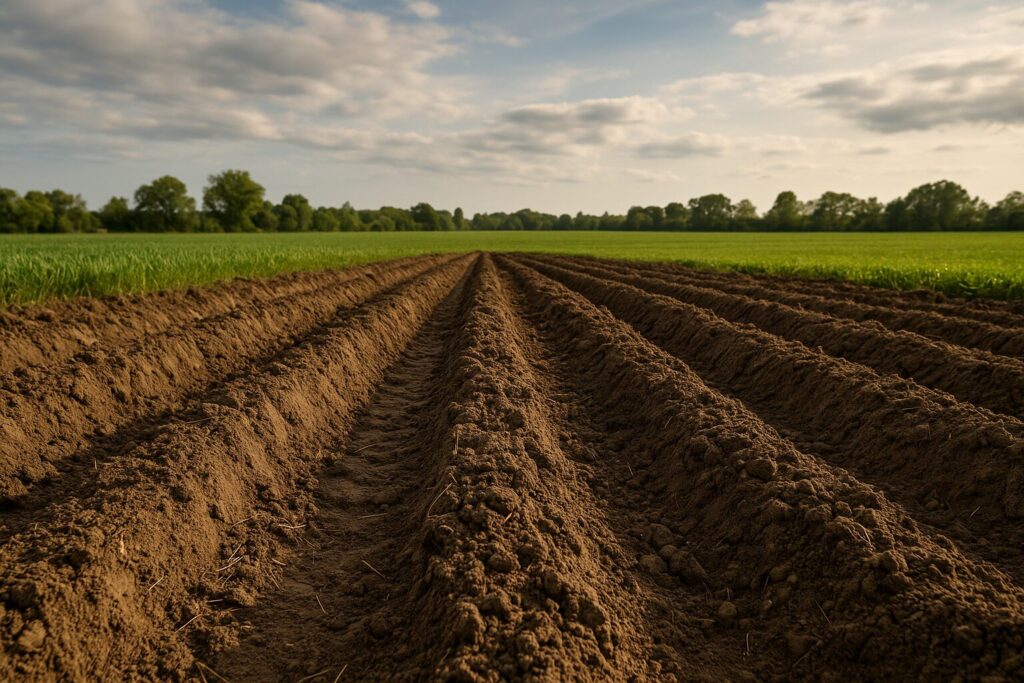
Protecting the long-term fertility of our soils and ensuring their responsible use are among the general objectives of organic production. Accordingly, in organic crop production, soil management and cultivation practices are used that preserve or increase soil organic matter, enhance soil stability and biodiversity, and prevent soil compaction and soil erosion.

Basic Principles of Organic Agriculture

Rules on Seeds and Other Plant Reproductive Materials

The rules on seeds or other plant reproductive material used in plant production hold an important place in organic plant production. When operators plan to use seeds or other reproductive material, it is of critical importance that the relevant Regulation rules are well understood and that the necessary information is submitted to the control body before sowing/planting.

bees, insects, honey bees, beehive, honey, wings, hive, brood, hymenoptera, entomology, beekeeping, colony, honeybee, beekeeper, carnica, nature, carniolan honey bee, bees, bees, bees, bees, bees, honey, honey, honey
Practical information

Beekeeping Rules in Organic Farming

Beekeeping is not limited to honey production; it is a critical activity for the continuity of the ecosystem. In the organic farming system, beekeeping is subject to specific rules, both in terms of product quality and environmental sustainability. Regulations concerning organic beekeeping are detailed in both Turkey and the European Union. In this article, we will address these two regulations in a comparative manner. The U.S. National Organic Program (NOP) Regulation will be discussed in the final part of the article.

Scopes According to Organic Agriculture Regulations

Organic Product Processing Rules

The ‘processing’ of products produced in accordance with organic farming methods is an organic farming activity. When it is planned to process products produced according to organic production rules at an operator in Türkiye; according to Article 6, Principles of Commencement of Organic Farming, of the Turkish Regulation on the Principles and Implementation of Organic Farming published in the Official Gazette No. 27676;

Practical information

Parallel Production

The reliability and transparency of organic farming are among the most critical factors for consumers. One of the most debated issues in this context is parallel production. The simultaneous implementation of both organic and conventional production within the same enterprise raises concerns such as the risk of product mixing and the erosion of consumer trust. However, regulations allow limited parallel production under certain conditions, particularly in the case of perennial crops, research areas, or specific propagation materials. Within this framework, parallel production stands out as an important practice that must be carefully managed in the development of organic farming.

Scroll to Top