OrganikizBiz

Control and Certification in Organic Agriculture

Control and Certification in Organic Agriculture

Handling of Residues

Any product or substance that is not permitted in organic production and detected in analyses carried out on organic and in-conversion products is considered as a ‘residue’. Although residues detected in analyses mostly originate from pesticides, many products and substances that are not pesticides but are not permitted in organic production may also be sources of residues.

Control and Certification in Organic Agriculture

Traceability and Mass Balance

Preserving the integrity of organically produced products is one of the fundamental principles of organic farming legislation, and ensuring that organic or in-conversion products do not show any non-compliance that affects their characteristics at any stage of production, preparation and distribution is only possible by providing traceability and monitoring capability at every stage.

Control and Certification in Organic Agriculture

Retroactive Recognition of Previous Periods in Organic Farming

In accordance with the ‘Turkish Regulation on the Principles and Implementation of Organic Farming’ published in the Official Gazette No. 27676; the period from the start of activities in accordance with the provisions of Organic Farming until the product is certified as organic is defined as the ‘Conversion Period’. Throughout the entire process until the product is certified as organic, organic farming rules are applied.

Control and Certification in Organic Agriculture

Certificate concept and types

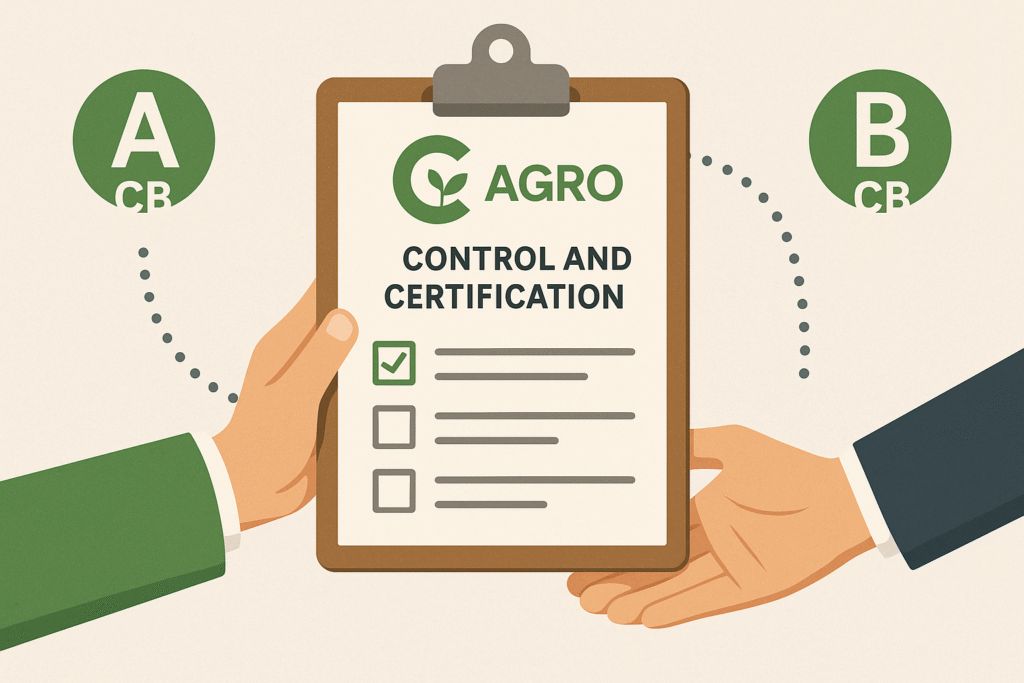
As a result of the implementation of all control methods, a ‘certificate’ is issued showing that the enterprise and the organic product comply with the legislation. According to the ‘Turkish Regulation on the Principles and Implementation of Organic Farming’ published in the Official Gazette No. 27676, unlike other Regulations, a certificate is also issued for organic input showing its compliance with the organic legislation.

Control and Certification in Organic Agriculture

Group of Operator and Internal Control System Requirements

The Turkish Regulation on the Principles and Implementation of Organic Farming, published in the Official Gazette No. 27676, defines the Operator as ‘a natural or legal person engaged in organic farming activities’ and in Article 6 states that the operator may carry out organic farming activity individually or with a producer group. According to the Turkish Organic Farming Regulation, the producer group can only carry out organic farming activities under legal entities.

Control and Certification in Organic Agriculture

Transport and Shipping Rules in Organic Farming

As stated in ‘Turkish Regulation on the Principles and Implementation of Organic Farming’ published in the Official Gazette No. 27676, ARTICLE 2 – (1) Scope;
This Regulation covers the technical and administrative issues related to the production or supply of all types of plant, animal and aquaculture products and the inputs to be used, in compliance with the organic farming method, the yeasts used as food or feed, the collection of products from forests and natural areas in accordance with the principles of organic farming, the processing, packaging, labeling, storage, transportation, marketing, control, certification, inspection of these products, and the penal provisions.

Control and Certification in Organic Agriculture

Product Acceptance

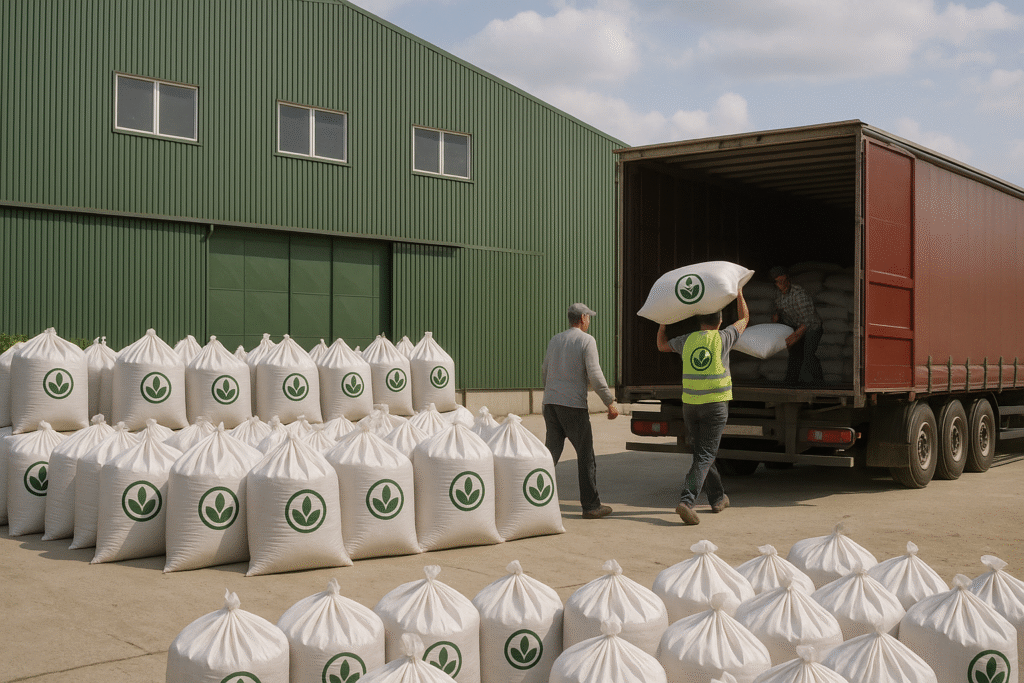
European Union Regulation (EU) 2018/848 Annex III ‘Harvesting, Packaging, Transport and Storage of Products’ specifically addresses the acceptance/receipt of products. Accordingly, Annex III, Article 5 Acceptance of products: When an organic or in-conversion product is received, the operator shall, where appropriate, check that the packaging, container or vehicle has been closed and that the necessary indications are present during packaging of the products and their transport to other operators or units.

Control and Certification in Organic Agriculture

Sampling and Laboratory Selection

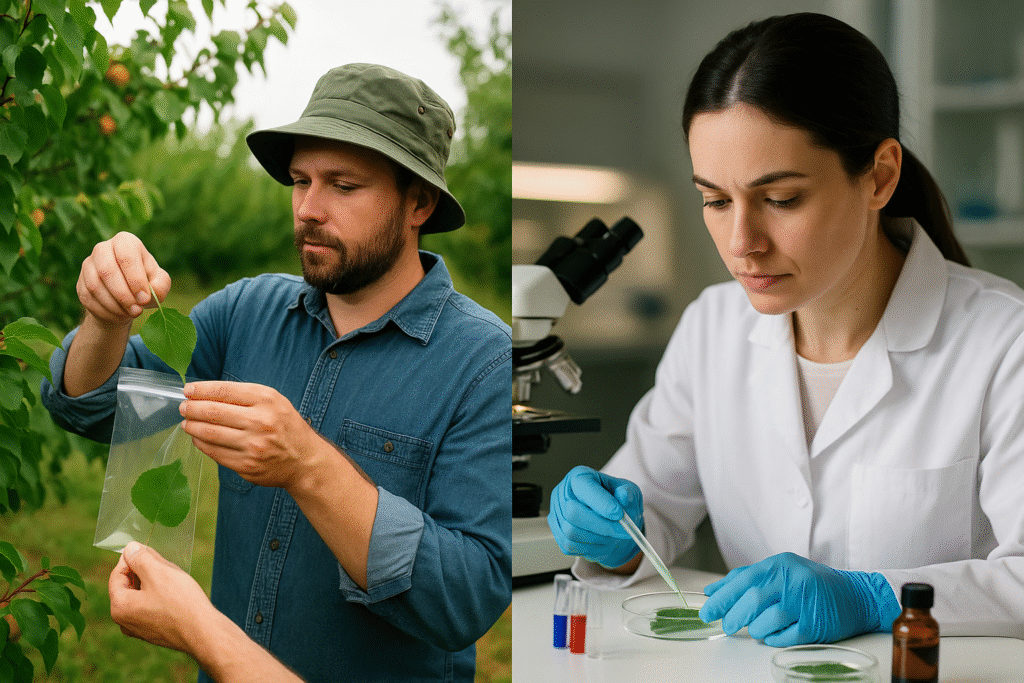
Article 36-Control Operation (1) (ç-d-e) of the Turkish Regulation on the Principles and Implementation of Organic Farming, published in the Official Gazette No. 27676, contains provisions regarding sample collection. Accordingly: Control bodies authorized to carry out inspections shall: ç) Take samples for analysis to detect the use of products not permitted for organic production, to detect production techniques that are not in compliance with organic production rules, and to detect possible contamination with products not permitted for organic production….

Scroll to Top